 Poland
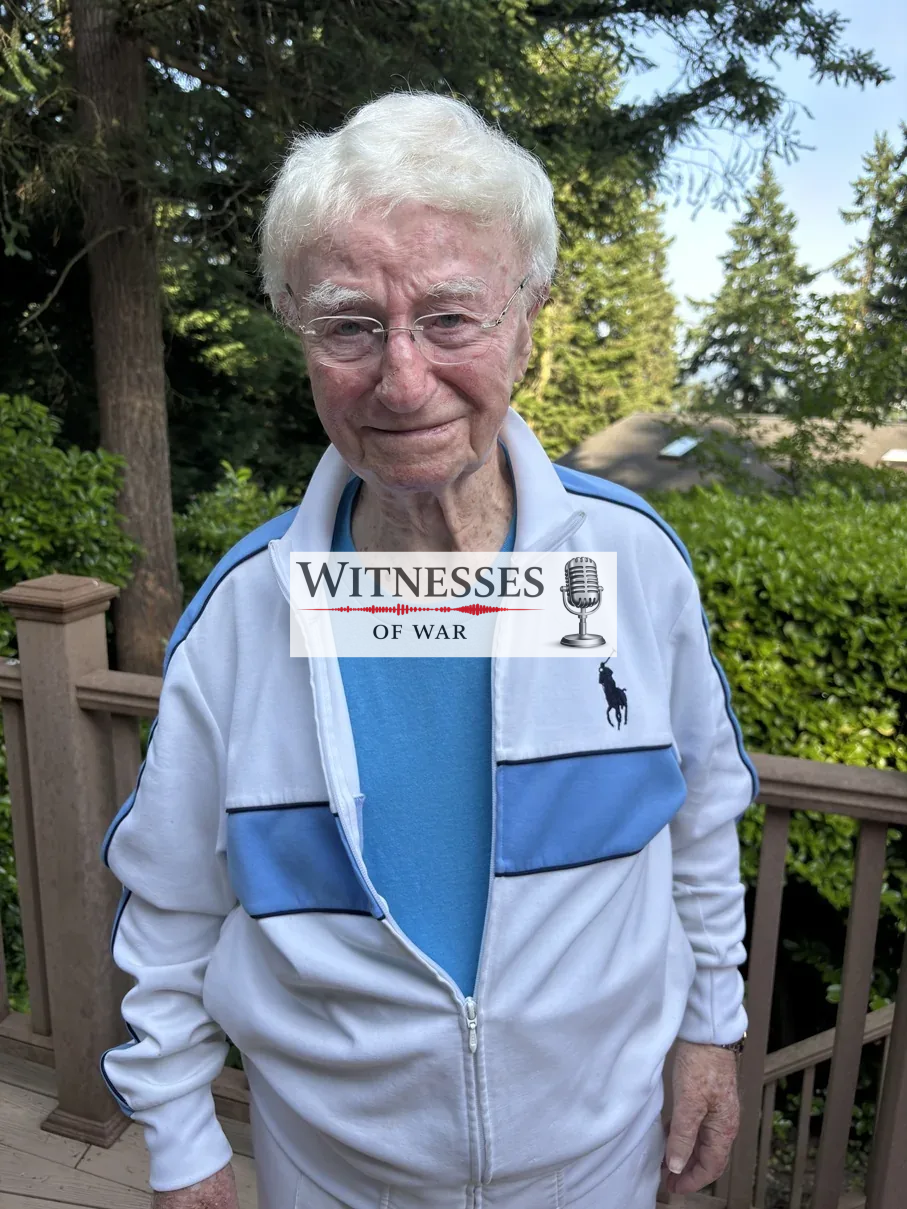
Henry Friedman was born in 1928 in Brody, Poland, now Ukraine, to Jacob and Dora Friedman. Following the German occupation in 1941, Jewish children were barred from school and Jews were forced to wear identifying armbands. His father arranged private lessons for Henry and his younger brother, trying to preserve their education as persecution intensified.
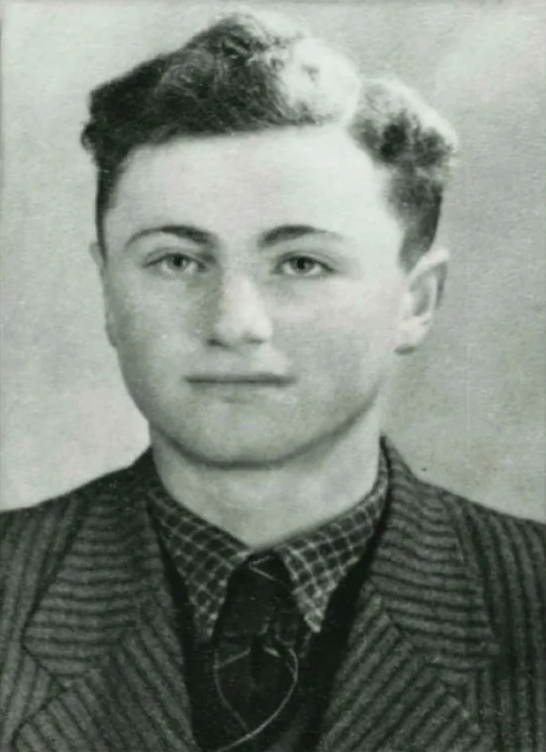
In February 1942, a young Ukrainian woman, Julia Symchuck, warned Jacob that the Gestapo was coming for him, allowing him to escape arrest. That October, when the family was ordered into the Brody ghetto, they went into hiding instead. Henry, his mother, brother and their teacher sheltered in the loft of the Symchuck family’s barn in Suchowola. His father hid separately nearby, protected by Maria Bazalchik.
For eighteen months, Henry endured confinement, bitter cold and severe hunger. Four people shared a hiding space roughly the size of a queen-sized bed, dependent on their rescuers for food and protection. By the time Soviet troops liberated the area in March 1944, fifteen-year-old Henry was emaciated, covered in sores and too weak to walk unaided. His parents and brother survived, but his baby sister, born during their concealment, did not.
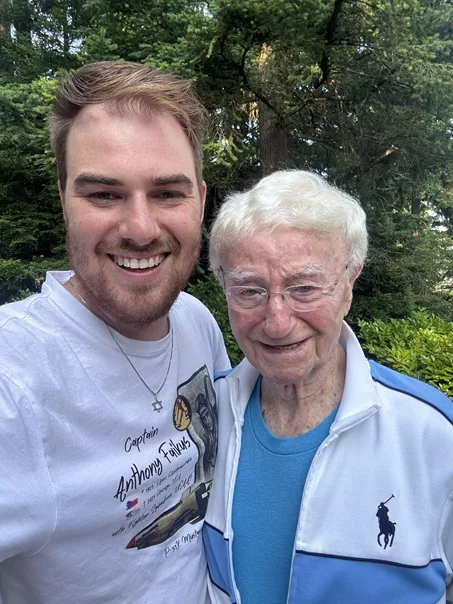
After living in a displaced persons camp in Austria, the family emigrated to the United States. Henry arrived in Seattle on 3 December 1949. Drafted into the U.S. Army in 1950, he later built a twenty-eight-year career in the fashion jewelry business and raised a family with his wife, Sandra.
In 1989, Henry helped establish what became Seattle’s Holocaust Center for Humanity. That same year, he reunited in Seattle with Julia, who was recognized by Yad Vashem as Righteous Among the Nations. Through decades of speaking to students, Henry has preserved both the memory of persecution and the example of people who risked their lives to save his family.
← Back to all stories