WWII veterans
Jan Ihnatík
Born 1 March 1922
From the Soviet Gulag to the Liberation of Czechoslovakia
 Czech Republic
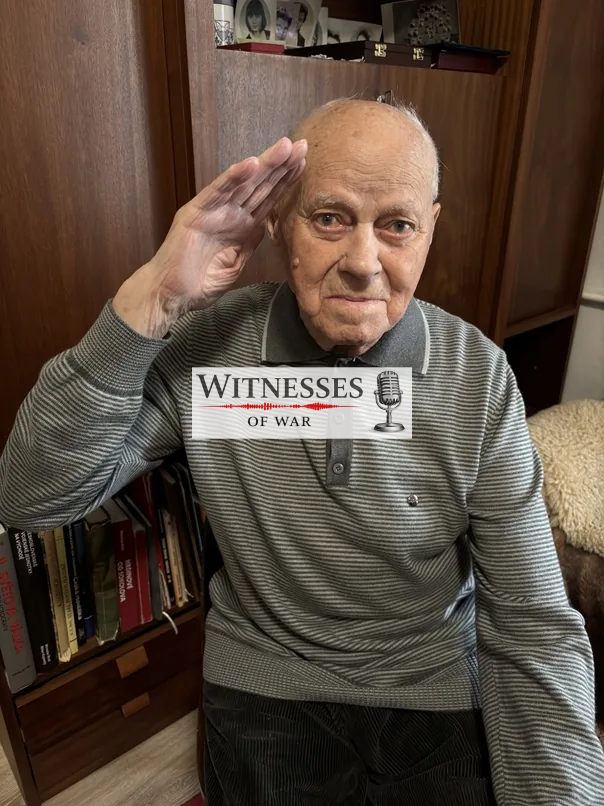
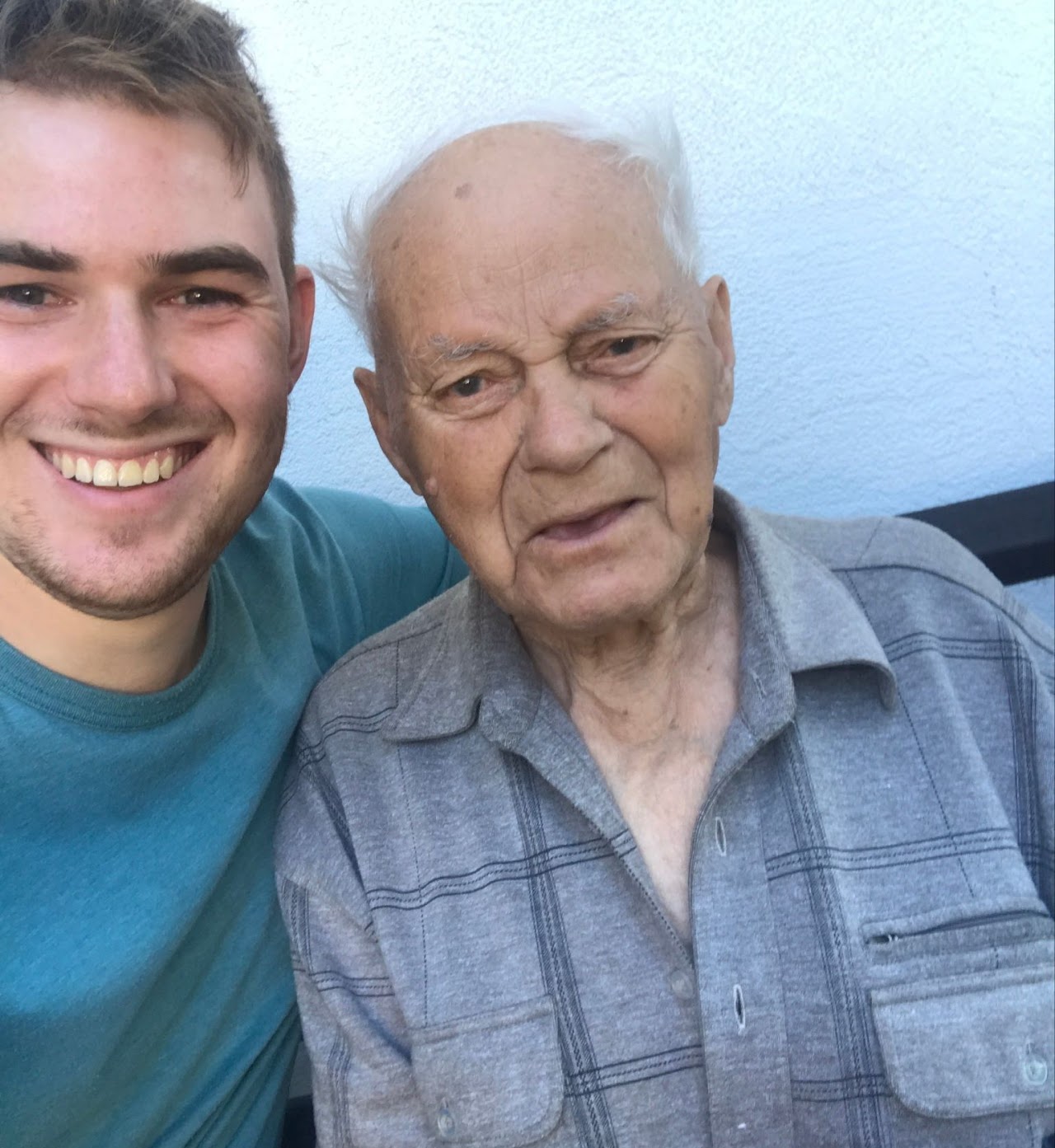
Jan Ihnatík was born on 1 March 1922 in Poroškovo, Subcarpathian Ruthenia, then part of Czechoslovakia, into a Rusyn farming family. After Hungary occupied his homeland in March 1939, he was required to attend military preparation with the Levente youth organisation. Hoping to escape Hungarian rule and avoid conscription, he crossed into the Soviet Union with two friends in May 1940.
Instead of finding refuge, Ihnatík was arrested by Soviet border guards. After imprisonment in Skole, Stryi, Uman and Starobilsk, he was sentenced to three years of forced labour for illegally crossing the border. Deported to the Gulag near Ukhta in northern Russia, he worked in forestry, construction and agriculture. A camp doctor helped him avoid a further transfer north by arranging for him to feign an injury. He subsequently obtained work at a vocational school, where better food improved his chances of survival.
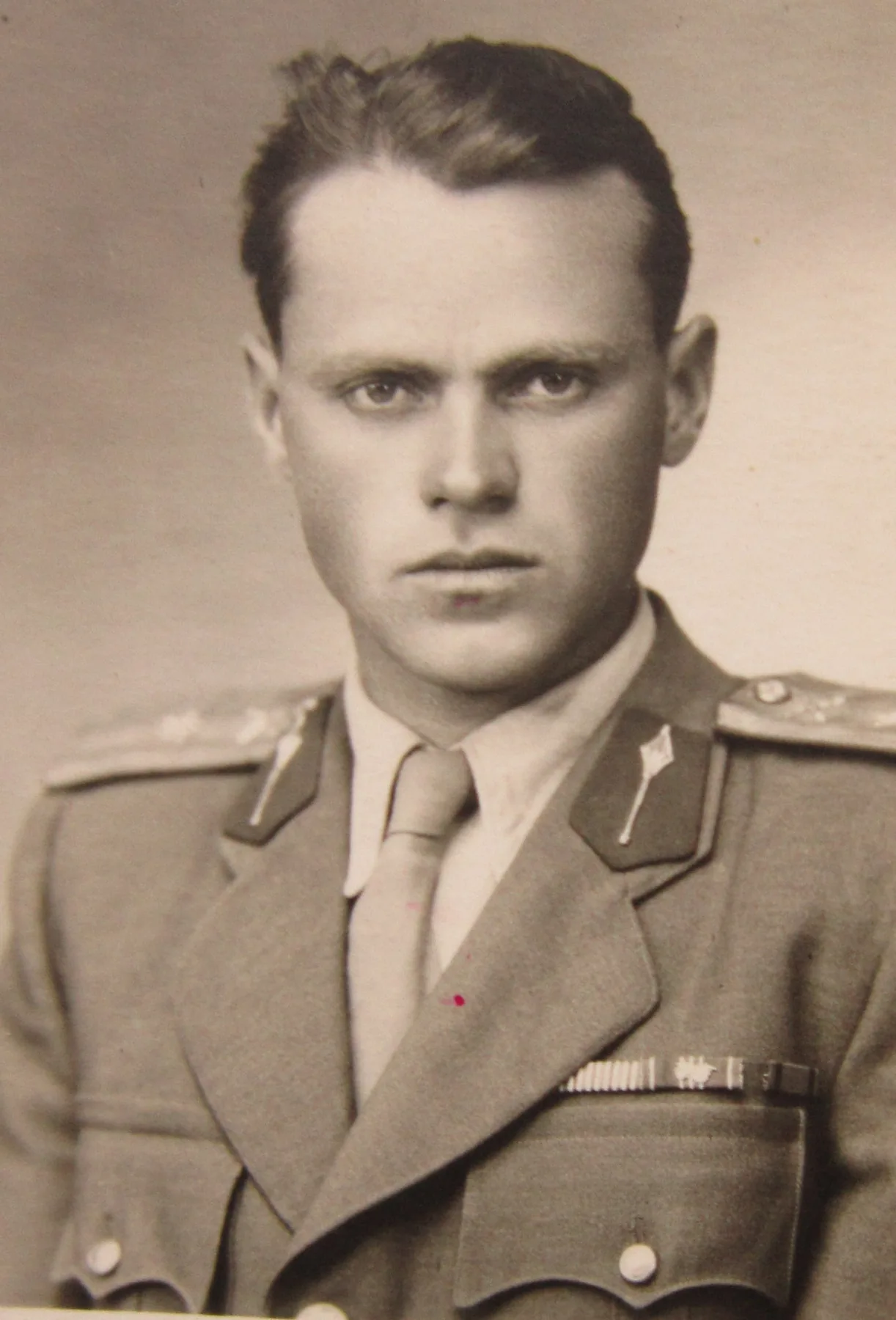
Released in early 1943, he joined the Czechoslovak military unit at Buzuluk on 13 February. After artillery training at Irbit, he fought in the campaigns around Kyiv, Bila Tserkva and the Dukla Pass. He later served with the 3rd Czechoslovak Artillery Regiment, commanding a battery of 120 mm mortars during the fighting at Jasło. His subsequent combat service included Liptovský Mikuláš and the advance through Slovakia towards Moravia.
His war ended near Břest, close to Přerov, in May 1945, during the final fighting of the 1st Czechoslovak Army Corps. Wounded three times during the war, he repeatedly returned to service. He remained in the postwar army and eventually attained the rank of colonel.
His decorations include the Czechoslovak War Cross 1939, the Medal for Bravery, and the Cross of Defence of the State.
← Back to all stories